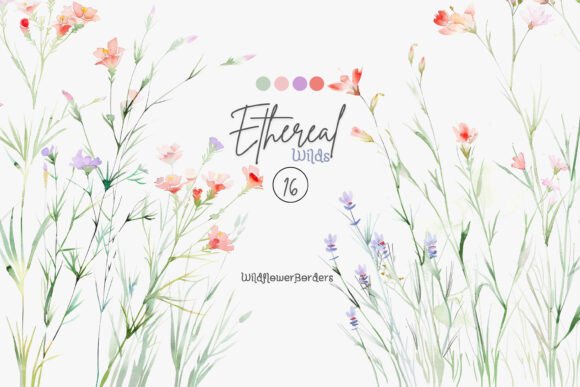
Capturing Meadow Magic: The Art of Watercolor Wildflower Borders
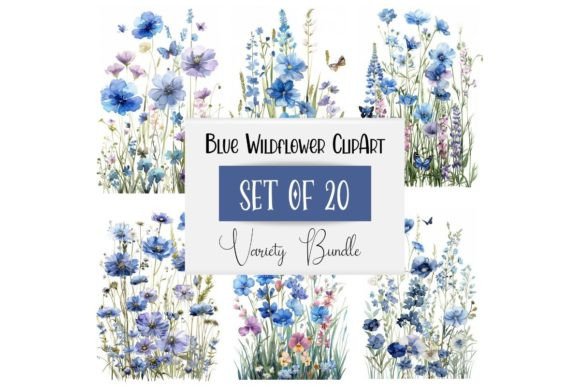
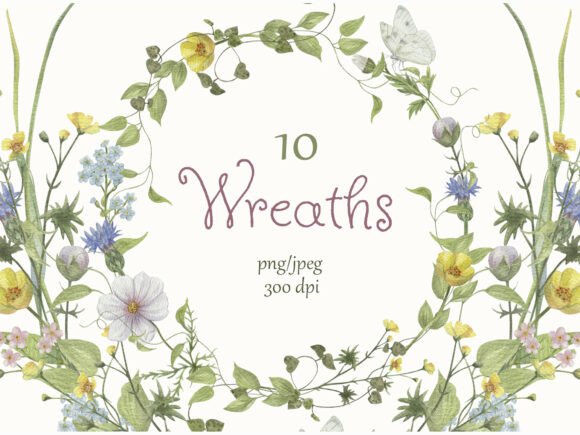
There’s a specific kind of charm that only hand-painted botanicals can bring to a design—a softness that digital graphics often struggle to replicate. If you've ever found yourself scrolling through Pinterest, admiring wedding invitations or boutique packaging that feels effortlessly organic, you’ve likely seen the influence of watercolor florals. Specifically, Watercolor Flowers Wildflower Borders offer that elusive blend of artistic imperfection and structured elegance. This collection isn't just about pretty pictures; it’s about capturing the fleeting beauty of a meadow in high-resolution detail, ready to be dropped into your next branding project or editorial layout.
The Anatomy of a Versatile Design Asset
What makes this particular set stand out in a crowded market of design assets? It comes down to quality and usability. When you are working on professional projects—whether for a client or your own small business—resolution matters. These borders are provided at a substantial 11.5" x 8" size (3445 x 2533 pixels) at 300dpi. This means you can print them on large posters or high-end packaging without losing the delicate texture of the watercolor brushstrokes.
However, the real magic lies in the file format. Delivered as PNGs with transparent backgrounds, these wildflower borders act like digital stickers. You aren't constrained by a rectangular box; you can layer them over photos, slide them under text blocks, or wrap them around the edges of a social media graphic. This transparency is crucial for creating that "hand-crafted" look where the floral elements blend seamlessly into the background, rather than sitting on top of it like a rigid sticker.
From Wedding Invitations to Brand Identity
While the term "wedding clipart" is often associated with these styles, the utility of ethereal floral accents extends far beyond the big day. As a designer or creative entrepreneur, you can leverage these botanical elements to build a distinct visual identity.
Consider the "boho-chic" aesthetic that dominates industries like wellness coaching, organic skincare, and lifestyle blogging. To achieve this, you need textures that feel human and earthy. By incorporating these wildflower borders into your brand identity, you signal to your audience that your brand values nature, softness, and authenticity. It’s a visual shorthand for "organic" and "careful."
Here are a few practical applications where these assets shine:
- Packaging Design: If you sell physical goods, wrapping these borders around a box or a label instantly elevates the product from "homemade" to "artisanal."
- Social Media Graphics: Instagram and Pinterest are visual-first platforms. Using these borders as frames for quotes or announcements stops the scroll because the texture contrasts sharply with the flat, digital environment of the feed.
- Website Hero Images: Instead of a generic stock photo, use a wildflower border to frame your "About Me" text or create a soft vignette around a product shot.
Pairing Typography with Watercolor Elements
One of the trickiest parts of working with watercolor flowers is ensuring your typography doesn't get lost. Because the floral elements are textured and busy, you need to be strategic about your font pairings. This is where understanding the hierarchy between your display font and your body copy becomes essential.
Watercolor borders usually have a whimsical, flowing energy. To balance this, avoid using overly decorative fonts for your main message. Instead, consider the following approach:
- The Header: Pair the florals with a modern serif font or a clean sans serif font. A bold serif can provide a grounding structure that contrasts beautifully with the organic chaos of the wildflowers.
- The Accent: If you want to lean into the romantic vibe, use a script font or handwritten font for small accents, like a monogram or a "Save the Date" header. But keep it legible!
- The Body: For longer paragraphs, stick to a highly readable sans-serif. The transparency of the borders allows you to place text on top of the image, but only if the font is clean and has enough contrast.
Remember, the goal of modern typography is communication. If your audience has to squint to read your message because of a clash between the floral background and a cursive typeface, the design has failed its purpose. Test your pairings by printing a draft or viewing it on mobile devices to ensure the readability holds up.
Creating Cohesion Across Marketing Materials
Consistency is the backbone of professional design. When you have a set of 16 different borders to work with, you gain the flexibility to create a suite of materials that feel connected but not repetitive. You might use a dense cluster of florals for your main business card, and a more sparse, delicate border for your email newsletter header.
This variety allows you to maintain visual consistency across different mediums. For example:
- Editorial Layouts: Use the borders to frame pull quotes or chapter titles in a digital magazine or PDF guide.
- Merchandise: These designs work beautifully on print-on-demand products like tote bags, mugs, or journals, where the soft aesthetic appeals to a wide demographic.
- Digital Products: If you are selling templates or planners, adding a unique floral border adds value and perceived quality to your offer.
By using these specific design assets repeatedly (but in different arrangements), you train your audience to recognize your style. Over time, they will associate that specific blend of wildflowers and watercolor textures with your brand, boosting brand recognition without you having to say a word.
Practical Tips for Working with PNG Overlays
Even with high-quality assets, the execution determines the result. Since these borders are high-resolution PNGs, they are large files. Keep your computer’s processing power in mind when layering them in Photoshop or Illustrator.
When placing these florals, pay attention to "visual weight." A heavy cluster of flowers in the bottom left corner needs to be balanced by something in the top right, or the design will feel lopsided. Treat the flowers like any other design element—part of the overall composition, not just a decoration slapped on top.
Also, don't be afraid to modify the assets. You can desaturate them slightly for a vintage look, overlay a brand color using a "Multiply" blending mode, or crop them to isolate a single stem for a minimalist accent. The transparent background makes these manipulations non-destructive and easy to experiment with.
Elevating Your Creative Projects
Ultimately, tools like Watercolor Flowers Wildflower Borders serve one purpose: to help you communicate a feeling. Whether you are designing a menu for a garden party, a header for a lifestyle blog, or a logo for a florist, these elements provide the botanical accents needed to tell that story visually.
Investing in high-quality, premium font and graphic sets saves you time in the long run. Instead of struggling to create textures from scratch or cleaning up low-resolution images from free sites, you have professional-grade tools ready to go. This allows you to focus on the bigger picture—crafting a message that resonates with your audience and presents your work with the professional presentation it deserves. So, go ahead and explore the meadow; your next great design is waiting there.