Stone Path Texture Background: A Designer's Guide to Natural Elegance
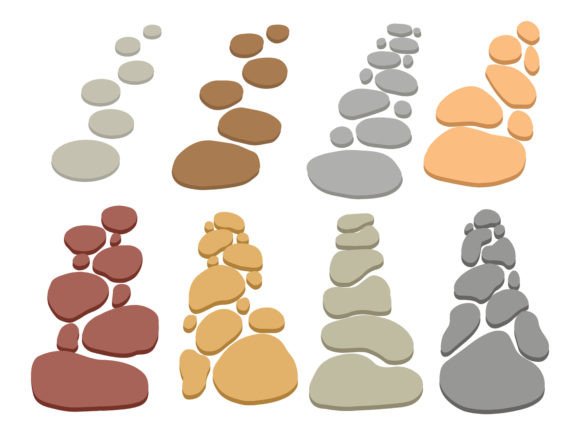
There's something deeply satisfying about the look of a well-worn stone path. The irregular shapes, the subtle color variations, the way light plays across different surfaces—it all tells a story of time, nature, and quiet beauty. For designers and creatives, capturing that authentic texture in a digital format opens up a world of possibilities. The Stone Path Texture Background isn't just another pattern; it's a versatile design asset that brings organic warmth and tactile realism to projects ranging from wedding invitations to brand identity systems. Whether you're building a logo, designing merchandise, or crafting social media graphics, this texture collection offers a foundation that feels both timeless and contemporary.
Why Natural Textures Resonate in Modern Design
In an era dominated by sleek digital interfaces and polished gradients, organic textures create a powerful counterpoint. A stone path texture introduces visual interest without overwhelming a composition. The subtle cracks, moss hints, and weathered surfaces add depth that flat colors simply can't achieve. This particular collection stands out because it avoids looking artificially generated. Each stone variation feels handpicked, with realistic shadowing and natural irregularities that make digital designs feel more human and approachable.
For small business owners developing their brand identity, this texture solves a common challenge: how to convey authenticity and craftsmanship without custom photography. A bakery using this texture on packaging instantly communicates artisanal quality. A landscaping company incorporating it into their website background reinforces their connection to natural materials. The versatility here is remarkable—one asset serves dozens of applications while maintaining visual consistency across touchpoints.
Practical Applications Across Creative Projects
The true value of any design asset lies in its adaptability. This Stone Path Texture Background collection ships in multiple formats specifically because creatives need flexibility. The SVG files scale perfectly for large-format printing on banners or wall art. The transparent PNG files layer seamlessly over other design elements for social media posts or website overlays. The EPS10 vectors allow complete customization in Adobe Illustrator, letting you adjust colors, isolate specific stones, or create entirely new compositions.
Consider these real-world applications where this texture shines:
- Wedding invitations and stationery: The elegant, natural pattern sets a romantic, garden-inspired tone without being overly floral or feminine.
- Product packaging: For artisan foods, candles, or skincare products, the texture communicates natural ingredients and careful craftsmanship.
- Merchandise design: T-shirts, mugs, and tote bags benefit from textures that add visual complexity without requiring intricate illustration.
- Digital products: Use as backgrounds for printable planners, digital stickers, or template designs sold on marketplaces like Etsy.
- Editorial layouts: Magazine spreads, book covers, and blog headers gain sophistication with a subtle stone texture behind typography.
- Marketing materials: Flyers, posters, and social media graphics stand out when they move beyond solid color blocks.
The included JPG files on white backgrounds work particularly well for quick mockups or projects where you need the texture isolated against a clean surface. Meanwhile, the transparent PNG versions give designers complete control over layering and compositing in programs like Photoshop or Canva.
Integrating Texture Into Brand Systems
Building a cohesive brand identity requires more than just a logo and color palette. Texture plays a crucial role in creating sensory experiences that customers remember. When you incorporate a stone path texture consistently across your website, packaging, and social media, you're building a visual language that feels intentional and professional.
Think about how luxury brands use texture in their marketing. A high-end skincare line might use subtle stone textures on their website to evoke spa-like tranquility. A real estate agency could incorporate the pattern into their property brochures to suggest stability and permanence. The key is restraint—using the texture as a supporting element rather than the main focus allows your typography and imagery to remain the heroes of your design.
For entrepreneurs creating multiple product lines or content series, having a library of related textures ensures visual harmony. This particular collection's consistent style across all nine variations means you can mix and match different stone arrangements while maintaining a unified aesthetic. One texture might work perfectly as a full background, while another serves better as a subtle accent element in a corner of your design.
Technical Considerations for Different Media
Different projects demand different technical specifications, which is why this collection includes multiple file formats. Understanding when to use each one will save you time and ensure professional results.
For web design and social media graphics, the JPG and PNG files at appropriate resolutions will serve most needs. The transparent PNG files are particularly valuable for creating layered compositions in tools like Figma, Adobe XD, or even PowerPoint presentations. When designing for print—whether it's a wedding invitation, poster, or merchandise—the vector EPS10 and SVG files become essential. These scalable formats ensure your stone path texture looks crisp whether printed on a business card or a six-foot banner.
One practical tip: when using textured backgrounds behind text, always test readability. You might need to add a semi-transparent overlay or choose typography with enough weight and contrast to remain legible. Serif fonts often pair beautifully with natural textures, creating an elegant, traditional feel, while clean sans-serif typefaces can provide a modern contrast that keeps designs feeling fresh.
The ability to edit the EPS10 files means you can customize the texture to match specific brand colors. Perhaps you want to mute the stone tones to complement a pastel palette, or increase contrast for a more dramatic effect. This level of control transforms a generic texture into a bespoke brand asset that feels uniquely yours.
Maximizing Your Creative Investment
When you download a design asset like this Stone Path Texture Background collection, you're not just getting nine files—you're getting a foundation for countless projects. The commercial licensing that typically accompanies such collections means you can use these textures in client work, products for sale, and marketing materials without worrying about additional fees or restrictions.
To get the most value, consider how the textures might serve projects you haven't even conceived yet. A texture that seems perfect for a rustic wedding invitation today might also work beautifully as a background for an online course platform, a podcast cover art element, or a template design you sell to other creatives. The more versatile your design assets, the more efficiently you can produce professional work across different contexts.
For content creators and bloggers, these textures offer an easy way to elevate visual content without investing hours in custom photography or illustration. A food blogger might use the stone texture as a base for recipe graphics. A travel writer could incorporate it into destination guides. The organic, natural quality of stone paths connects to countless themes and narratives, making it a surprisingly flexible addition to any creative toolkit.
Ultimately, the best design assets disappear into the work they support. A well-chosen texture doesn't scream for attention—it quietly enhances the overall composition, making typography more readable, imagery more compelling, and brand identities more memorable. That's exactly what a quality stone path texture achieves when used thoughtfully across your creative projects.