Timeless Botanical Beauty: Vintage Charm Flowers Clip Art
There is a specific kind of warmth that only hand-drawn art can provide. In an era dominated by vector perfection and AI-generated textures, the slight imperfections of a pencil stroke or the bleed of watercolor on paper evoke a sense of history and authenticity. For designers, small business owners, and creative hobbyists, capturing this "vintage charm" is often the missing piece in a branding puzzle or a digital scrapbook layout. This is exactly why curated collections of botanical illustrations have become such valuable design assets. They bridge the gap between the digital precision required for modern marketing and the organic, nostalgic aesthetic that audiences crave.
The Vintage Charm Flowers Clip Art collection is a testament to the enduring beauty of classic botanical illustration. Inspired by the golden age of natural history art, this set offers more than just pretty pictures; it provides a versatile toolkit for elevating visual communication. Whether you are designing a wedding invitation that needs to feel romantic and timeless, or branding a holistic wellness studio that requires an earthy, organic touch, these hand-drawn prints offer a solution that is both professional and deeply personal.
The Art of Authenticity: Why Hand-Drawn Botanicals Matter
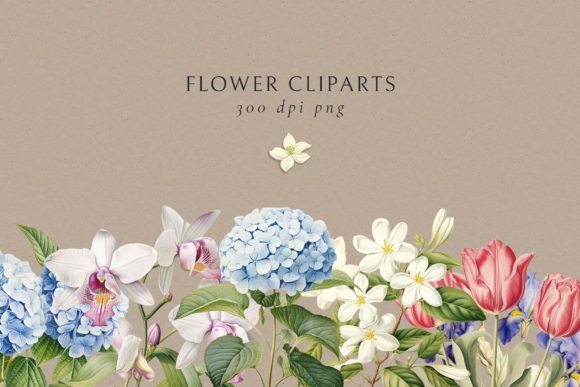
When building a visual identity, the choice of imagery is just as critical as the choice of typography. Modern vector graphics, while scalable and clean, can sometimes feel sterile. They lack the "human touch." The illustrations in this collection—featuring roses, peonies, orchids, hydrangeas, jasmine, irises, and tulips—are meticulously crafted to mimic the style of vintage natural history books. This style carries an inherent authority and elegance.
For a brand, using these types of illustrations signals a commitment to quality and detail. Consider the difference between a generic stock photo of a rose and a high-resolution, hand-drawn botanical print of a rose. The latter suggests craftsmanship. It tells the viewer that the creator took the time to select an image with soul. This is particularly effective for businesses in the cosmetics, spa, or apothecary sectors, where the product is often tied to natural ingredients and traditional remedies. The visual language of the clip art reinforces the brand narrative before a single word of copy is read.
Versatility in Design: From Packaging to Digital Spaces
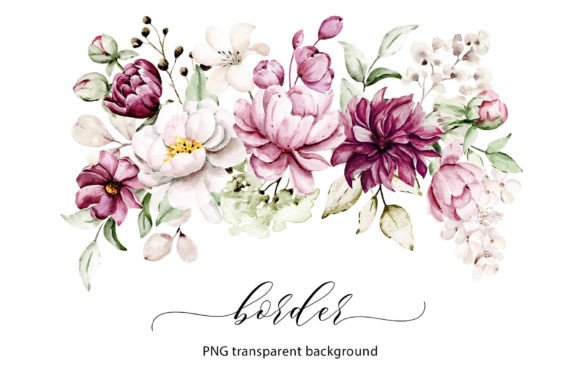
One of the primary challenges with design assets is often their adaptability. A graphic that looks great on a website might look muddy on a printed tote bag. However, because these botanical prints are provided as high-resolution PNG files with transparent backgrounds, they are engineered for versatility. The transparency allows for seamless layering, meaning you can place a delicate orchid over a textured background or a bold header without worrying about awkward white boxes surrounding the image.
This technical flexibility opens up a world of practical applications:
- Packaging and Product Design: For small business owners creating product labels, the "Vintage Charm" aesthetic works beautifully for artisanal goods. Imagine a lavender soap wrapped in kraft paper with a detailed hydrangea illustration, or a high-end chocolate box adorned with an intricate tulip print. It elevates the perceived value of the product instantly.
- Editorial and Layout Design: Bloggers and magazine editors can use these illustrations to break up large blocks of text. A scattered arrangement of jasmine flowers in the margins of a lifestyle article can soften the layout and guide the reader's eye. It transforms a standard article into an editorial experience.
- Stationery and Invitations: Wedding planners and stationery designers are perhaps the most obvious beneficiaries. The diversity of the collection—covering everything from romantic roses to structural irises—allows for the creation of cohesive suites. You can use a peony for the main invite and a smaller jasmine motif for the RSVP card, maintaining a consistent theme without repetition.
Strategic Branding: Creating a Cohesive Visual Identity
For entrepreneurs and brand strategists, consistency is the bedrock of recognition. When a customer sees your Instagram post, your website header, and your physical business card, the visual language should speak in the same voice. Integrating Vintage Charm Flowers Clip Art into your brand assets is an effective way to build this cohesion.
Think about the "unboxing" experience for an e-commerce brand. By printing a vintage botanical illustration on the shipping box, the tissue paper, and the thank-you card, you create a memorable moment. It turns a transaction into an experience. This approach is not limited to physical goods. Digital product creators—those selling planners, e-books, or online courses—can use these graphics to design covers and interior pages that feel substantial and premium.
Furthermore, these illustrations serve as excellent companions to typography. If you are using a serif font for a luxury brand, the classic lines of the botanical prints will complement the font's structure. If you are using a handwritten script for a bohemian brand, the organic nature of the hand-drawn art will harmonize perfectly. It is about creating a conversation between your text and your imagery.
Practical Advice for Implementation
While the aesthetic appeal of these prints is immediate, successful implementation requires a thoughtful approach. Here are a few practical tips for designers and creators utilizing this collection:
- Balance is Key: Because these are detailed, intricate illustrations, they can easily overwhelm a design if used carelessly. Avoid overcrowding your layout. Use a single large peony as a focal point rather than scattering five different flowers haphazardly. Negative space is your friend; let the artwork breathe.
- Color Harmony: While the original illustrations may feature specific colors, remember that high-resolution PNGs can often be adjusted in software like Photoshop or Canva. However, the vintage charm is best preserved by sticking to muted, earthy, or pastel palettes. Neon colors will fight against the classic aesthetic of the botanical style.
- Context Matters: Match the flower to the message. Roses and peonies are traditionally associated with romance and luxury, making them ideal for weddings or high-end retail. Jasmine and lavender are often linked to wellness and relaxation, perfect for a spa or yoga studio branding. Irises and tulips offer a structural elegance suitable for architectural firms or interior design portfolios.
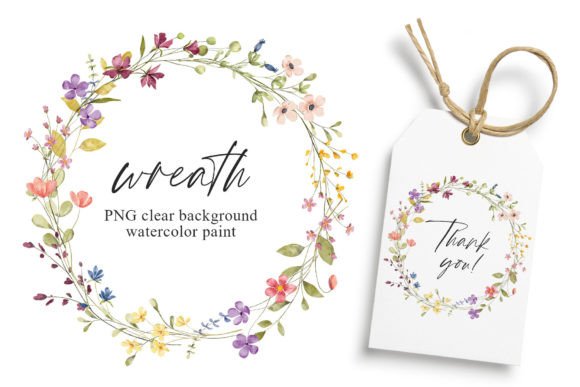
- Layering Techniques: Use the transparent backgrounds to your advantage. Place a floral element partially behind a text block to create depth. Or, create a "wreath" effect by duplicating and rotating a single vine element to frame a logo. This technique makes the design look custom-made rather than template-based.
Beyond Aesthetics: The Functional Value of Quality Assets
In the fast-paced world of content creation, efficiency is a currency. Having a library of reliable, high-quality design assets saves hours of time. Instead of commissioning a custom illustration for every social media post or newsletter header, creators can rely on a cohesive set like the Vintage Charm Flowers Clip Art collection to maintain their output without sacrificing quality.
This collection is particularly useful for those in the "lifestyle" niche—interior designers, fabric designers, and boutique owners. The floral motifs can be seamlessly tiled to create patterns for pillowcases or blankets, or used as singular accents on website banners. The high resolution ensures that the images remain crisp even when scaled up for print materials like posters or large-format signage.
Ultimately, the goal of any design asset is to facilitate better storytelling. These vintage botanical prints are not just decorative elements; they are narrative tools. They speak of nature, history, elegance, and care. For the creative professional looking to infuse their work with a sense of timeless sophistication, this collection offers a practical and visually stunning foundation. By integrating these hand-drawn elements into your workflow, you do not just decorate a space; you curate an atmosphere.