Watercolor Peonies: A Hand-Drawn Clipart Collection for Every Creator
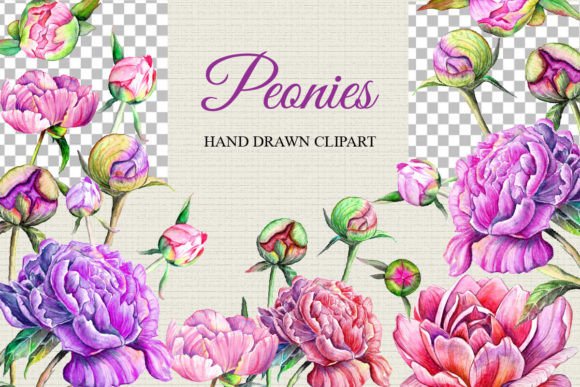
There’s something timeless about peonies. Their lush, layered petals and soft, romantic hues have made them a favorite in design for years. But when those blooms are rendered in authentic, hand-drawn watercolor, they take on a life of their own—bringing warmth, texture, and an organic feel that digital graphics often lack. This particular collection of watercolor peonies clipart isn’t just another set of flowers; it’s a versatile toolkit designed to bridge the gap between traditional artistry and modern digital creation. Whether you’re building a brand, designing wedding stationery, or crafting a personal project, these illustrations offer a foundation of natural elegance that’s hard to replicate.
The Art of Hand-Drawn Watercolor in Digital Design
What sets this clipart apart is its origin. Each peony is first painted by hand, capturing the subtle bleeds, gentle gradients, and delicate imperfections that give watercolor its charm. This process results in high-resolution PNG files that retain the authenticity of the original medium. Unlike flat digital vectors, these illustrations have depth. The soft edges blend seamlessly into backgrounds, and the nuanced color variations—from blush pinks to deep magentas and creamy whites—feel genuinely organic. For designers, this means you’re not just placing a graphic; you’re incorporating a piece of art that carries texture and personality. This quality is crucial for projects aiming to evoke emotion, such as wedding invitations, nursery decor, or boutique branding, where a human touch resonates deeply with the audience.
From Wedding Stationery to Wall Art: Unlocking Creative Potential
The true value of a well-crafted asset lies in its adaptability. This collection’s 19 distinct PNG files provide ample variety for both digital and physical applications. Imagine using a cluster of peonies to frame the text on a wedding invitation, or a single, bold bloom as the focal point on a greeting card. For small business owners, these illustrations can become the cornerstone of a brand’s visual identity. A watercolor peony pattern could grace product packaging for artisan soaps or candles, while a simplified version might work beautifully as a subtle watermark on letterheads or business cards. The applications extend far beyond paper goods. Think about tote bags, phone cases, and apparel where the soft, painterly style adds a premium, artisanal feel. For content creators and bloggers, these graphics can transform a website header, social media post, or digital planner into something visually cohesive and engaging. The high 300 DPI resolution ensures that whether the design is printed on a large poster or scaled down for a blog sidebar, the clarity and detail remain impeccable.
Building a Cohesive Brand with Botanical Elements
Consistency is key to brand recognition, and a cohesive visual language is a powerful tool. Integrating a specific art style, like this hand-drawn watercolor aesthetic, across multiple touchpoints can unify a brand’s presence. A florist might use the peonies on their website, their shop signage, their social media templates, and even their delivery van wrap. The consistent use of the same artistic element creates a memorable signature that customers learn to associate with the brand’s quality and style. When selecting design assets for branding, it’s important to consider how they will pair with typography. The organic, fluid nature of watercolor clipart often pairs best with clean, simple sans-serif fonts or elegant, thin serifs to avoid visual clutter. Alternatively, a complementary script font can enhance the romantic feel. Testing these pairings is essential to ensure readability and balance, especially in logo design or packaging where text and image must work in harmony.
Practical Considerations for Seamless Integration
Before diving into a project, a few practical steps can ensure success. First, always review the licensing terms of any commercial font or design asset. This collection is typically offered with a license that permits use in both personal and commercial projects, which is ideal for entrepreneurs and creators. However, clarifying the specifics—like whether it covers print-on-demand services or unlimited sales—is a smart practice. Second, consider the color palette. While the peonies come in a pre-set watercolor palette, skilled designers can often adjust hues in software like Photoshop or Illustrator to match a brand’s specific color scheme. Finally, think about composition. These PNG files with transparent backgrounds are designed to be layered and combined. Experiment with overlapping blooms, mixing full arrangements with single petals, and using them as frames, borders, or standalone focal points. The goal is to use the assets as a starting point for your own creativity, not as a finished product.
In a digital landscape saturated with generic graphics, the allure of hand-drawn, watercolor artwork is its ability to tell a story. It speaks of care, craftsmanship, and a connection to natural beauty. This collection of watercolor peonies offers more than just pretty pictures; it provides a versatile design language that can elevate projects from mundane to memorable. By understanding its strengths and applying it thoughtfully, creators can harness its potential to build stronger brands, design more compelling communications, and simply enjoy the process of making beautiful things.